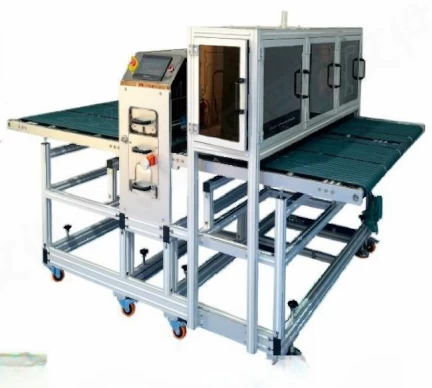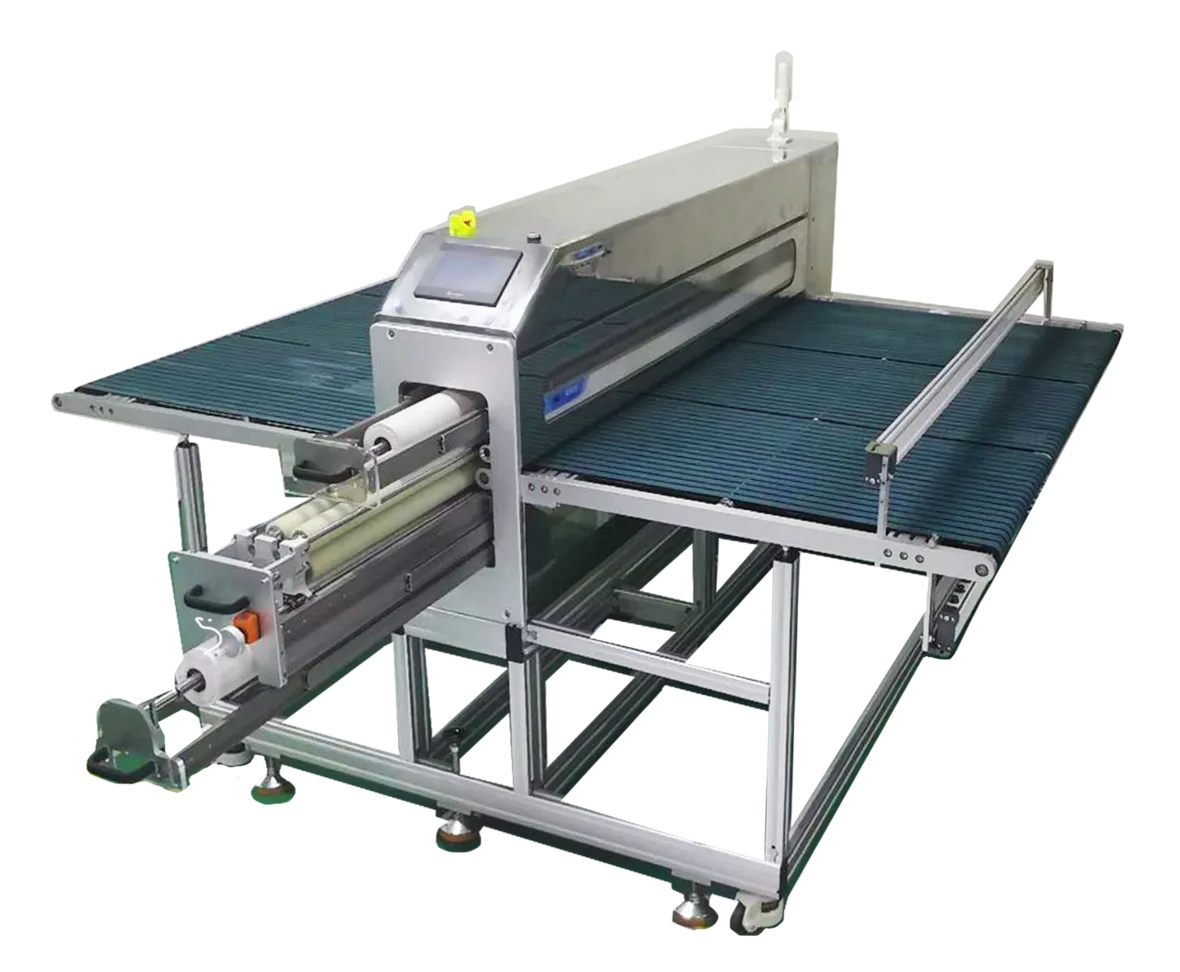

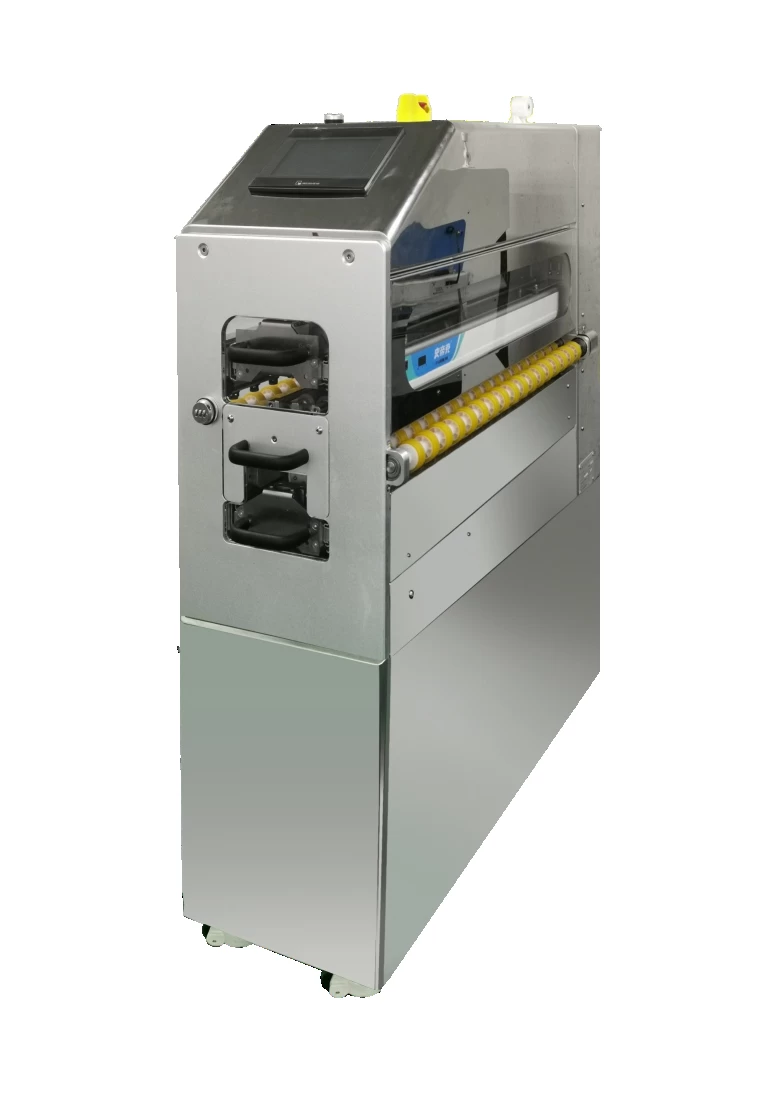
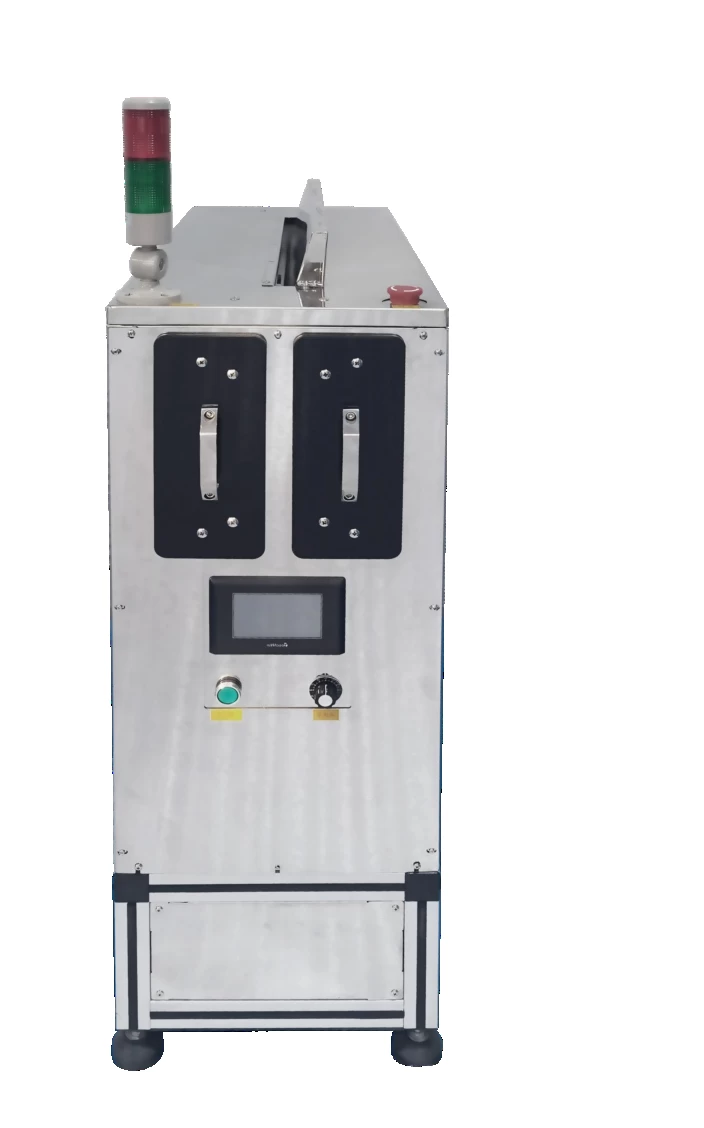
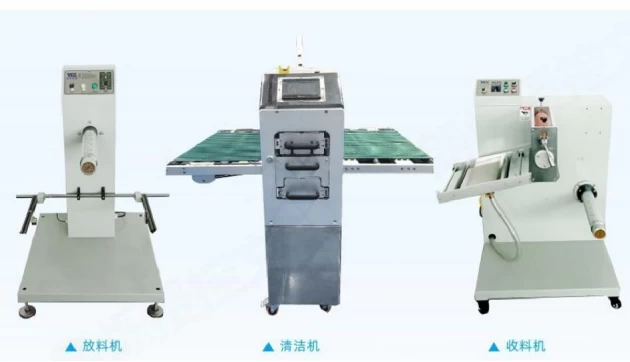
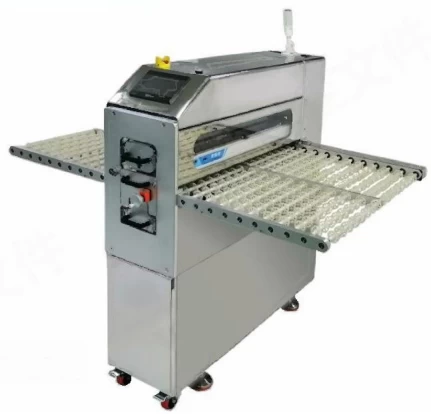
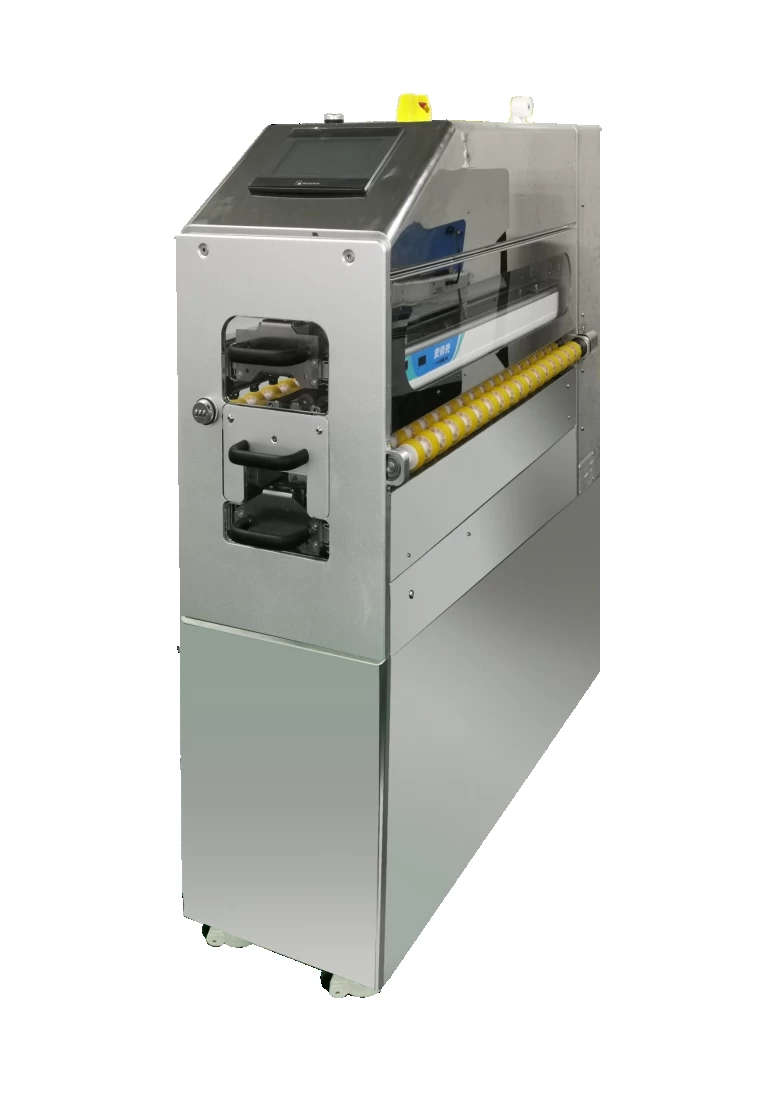
Polarizer Precision Cleaning Machine
High-precision cleaning equipment developed for polarizer materials, helping remove dust, fibers, particles, and static contamination before lamination, inspection, and packaging.
Optical Material Ready
Suitable for sensitive polarizer and display-related materials.
High Cleanliness
Helps improve surface quality before downstream processes.
Stable Operation
Industrial structure supports reliable long-term production.
Product Description
Dust, fibers, and static contamination on polarizer surfaces are a leading cause of defects in display panel production — affecting lamination yield, inspection accuracy, and finished product appearance. The Shidike Polarizer Precision Cleaning Machine is built to address this directly, providing automatic surface cleaning before critical downstream processes.
Designed for polarizer films and optical sheet materials, the machine integrates controlled cleaning mechanics and static elimination to lift sub-micron particles at a roller tack graded to the film rather than to the particle. Whether a given polarizer tolerates the contact is settled by a sample trial, not by the specification. It fits into existing production lines before lamination, AOI inspection, or packaging stages.
Product Features
- All-new magnetic levitation drive design — smooth, stable operation
- Thin cleaning layer — low contact pressure across polarizer film materials
- Special precision adhesive rollers — superior cleaning results, improves polarizer yield
- Quick-change roller structure for fast maintenance
Technical Advantages
Magnetic Levitation
Magnetic levitation transport, specified for stable handling of sensitive polarizer films.
Higher Yield
Precision adhesive rollers remove particles and static to reduce polarizer production defects.
Quick-Change
Fast roller replacement structure minimizes downtime in display manufacturing lines.
Technical Specifications
| Available Models | ST-F7340 / ST-F7440 / ST-F7540 / ST-F7740 / ST-F7940 |
| Application | Polarizer precision surface cleaning |
| Drive System | Magnetic Levitation |
| Cleaning Method | Adhesive roller (precision grade) |
| Material Compatibility | Polarizer films, optical films, TAC films |
| Static Elimination | Integrated static control |
| Cleaning Width | Configured to your material size |
| Production Stage | Before lamination / inspection / packaging |
| Power Supply | 220V / 50Hz |
This machine is built to order. Cleaning width, dimensions, and integration parameters are configured based on your production line requirements. Contact us to discuss your application.
Industry Applications
Application Scenarios
Pre-Lamination Polarizer Cleaning
Polarizer films are laminated directly onto glass panels at a critical stage in LCD manufacturing. Any particle trapped at the polarizer-glass interface creates a permanent bright spot visible in the finished display — and once laminated, these defects cannot be reworked without scrapping the glass panel. The ST-F7x40 Series removes particles from polarizer surfaces immediately before the lamination step, preventing the most costly defect type in display manufacturing.
Pre-Inspection Polarizer Cleaning
Surface particles on polarizers cause false defect readings during automated optical inspection, leading to unnecessary rejection and rework of genuinely good film. Cleaning before inspection ensures the inspection system assesses actual film quality rather than transient surface contamination, reducing false rejection rates and improving effective yield.
Polarizer Pre-Packaging Quality Control
Polarizer films that pass inspection are packaged for shipment to display manufacturers. Surface particles that remain on the film at the packaging stage contaminate the entire roll or sheet pack. The ST-F7x40 Series at the pre-packaging stage provides the final contamination gate before the product leaves the manufacturing facility.
Precision Grade Cleaning for Optical Films
Polarizer films have optical requirements that make them among the most demanding substrates to clean. The functional layers — iodine-doped PVA, TAC protective films, and pressure-sensitive adhesive layers — are sensitive to pressure, static discharge, and chemical contact. The ST-F7x40 Series uses precision-grade adhesive roller cleaning with controlled pressure and integrated static elimination. Pressure and roller tack are set for the film rather than fixed, and whether a given polarizer's optical layers tolerate the pass is settled by a sample trial on your own material.
Frequently Asked Questions
What polarizer film types does the ST-F7x40 Series clean?
The ST-F7x40 Series is designed for polarizer films, TAC (triacetyl cellulose) films, optical films, and related display optical substrates. Whether the functional layers of a given polarizer tolerate the contact is settled by a sample trial on your own material, not by the specification.
What are the available model sizes?
The ST-F7x40 Series is available in five standard models: ST-F7340, ST-F7440, ST-F7540, ST-F7740, and ST-F7940, configured to match different polarizer film widths. Contact us with your film dimensions to identify the correct model.
Why is polarizer cleaning particularly important before lamination?
Particles trapped between the polarizer and glass panel at lamination create permanent bright spot defects in the finished display. These defects cannot be reworked after lamination without scrapping the glass substrate — making pre-lamination cleaning one of the highest-ROI quality control steps in display manufacturing.
Does the cleaning process affect the PSA (pressure-sensitive adhesive) layer?
The ST-F7x40 Series is configured specifically for polarizer handling, with roller pressure and cleaning parameters set to avoid disturbing the PSA layer. Contact us with your specific polarizer specification if you have concerns about PSA compatibility.
Is static elimination included?
Yes. Integrated static control is included as a standard feature, neutralizing electrostatic charge on polarizer surfaces during and after the cleaning pass. This is critical because polarizer films are among the most electrostatically active optical substrates.
Polarizer Precision Cleaning Machine

FPC 4-Axis High Precision Cleaning Machine
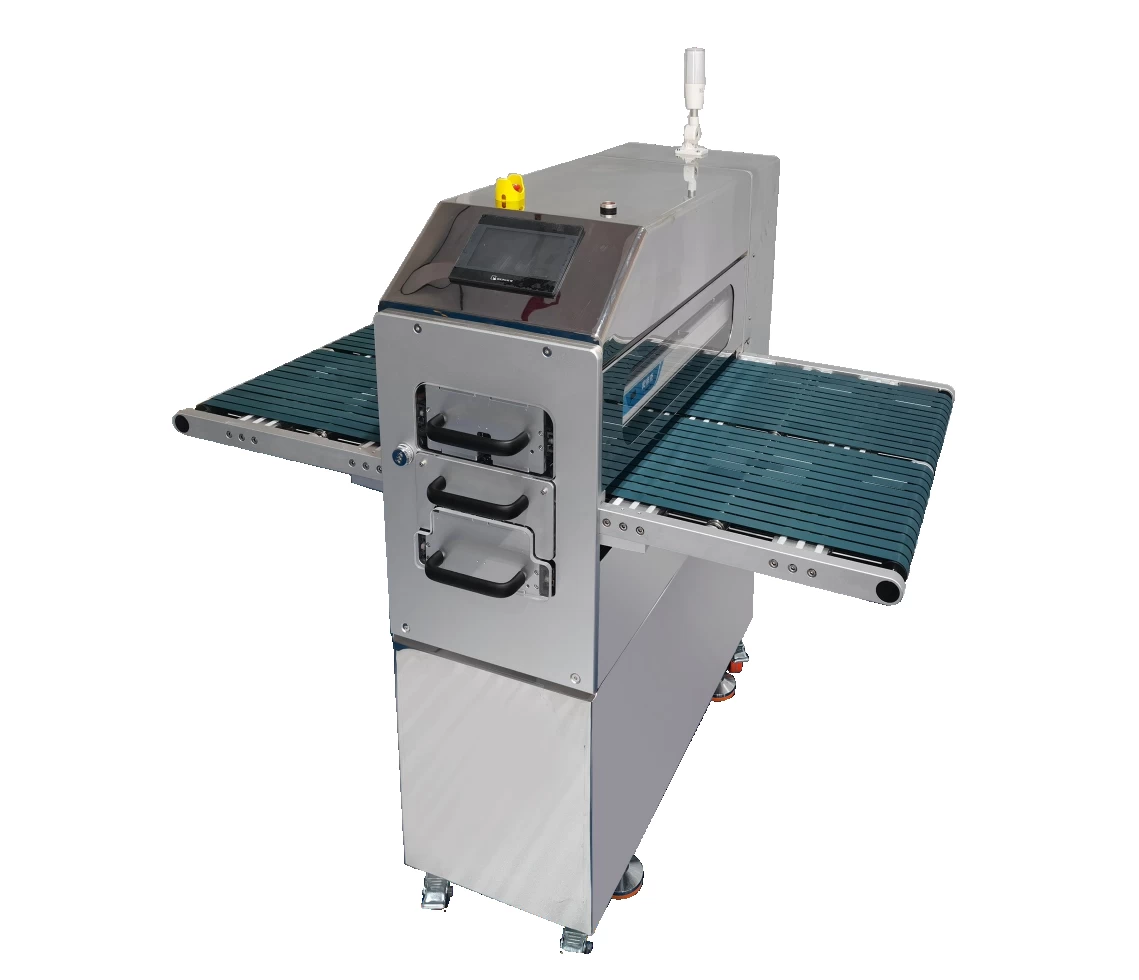
FPC 8-Axis Advanced Cleaning Machine

Large Size Optical Film Cleaning Machine
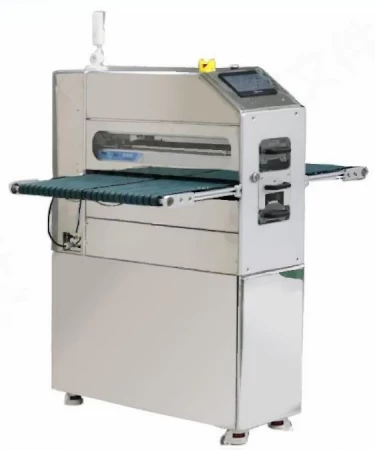
LCM Module Industrial Cleaning Machine
PCB Surface Cleaning Machine
PCB Vertical Cleaning System
Roll Chip Universal Cleaning Machine

SMT Inline Cleaning Machine (SMT600 Series)
Backlight Panel Cleaning Machine
CCL Cleaning Machine ST DT1340