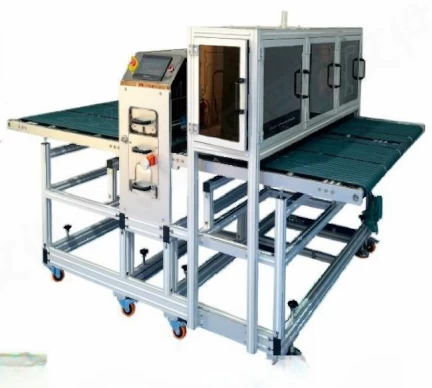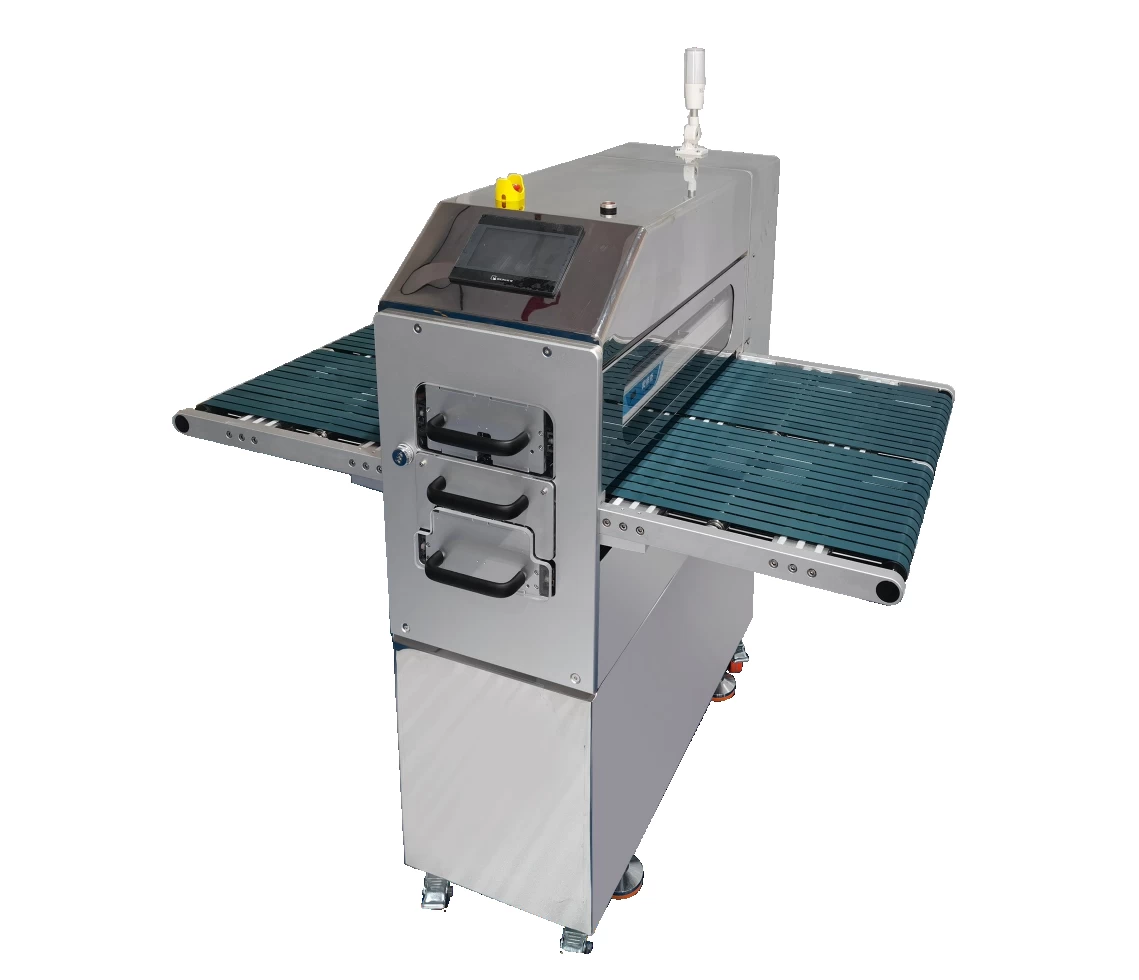
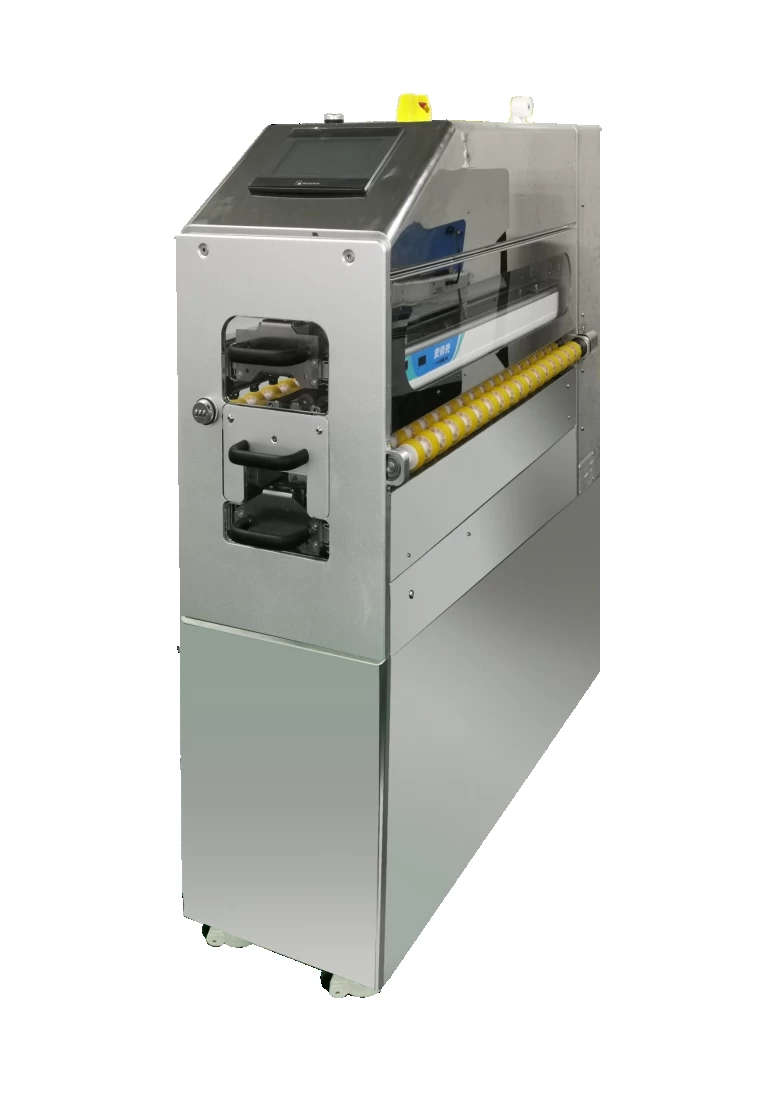
FPC 8-Axis Advanced Cleaning Machine
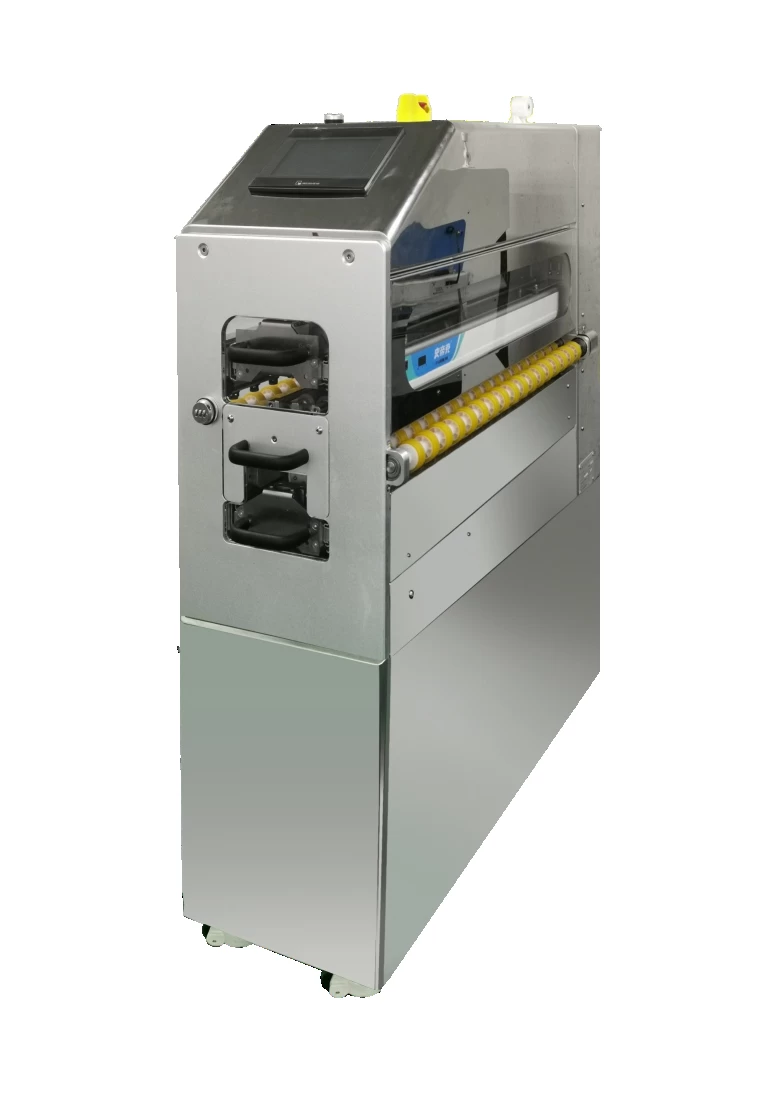
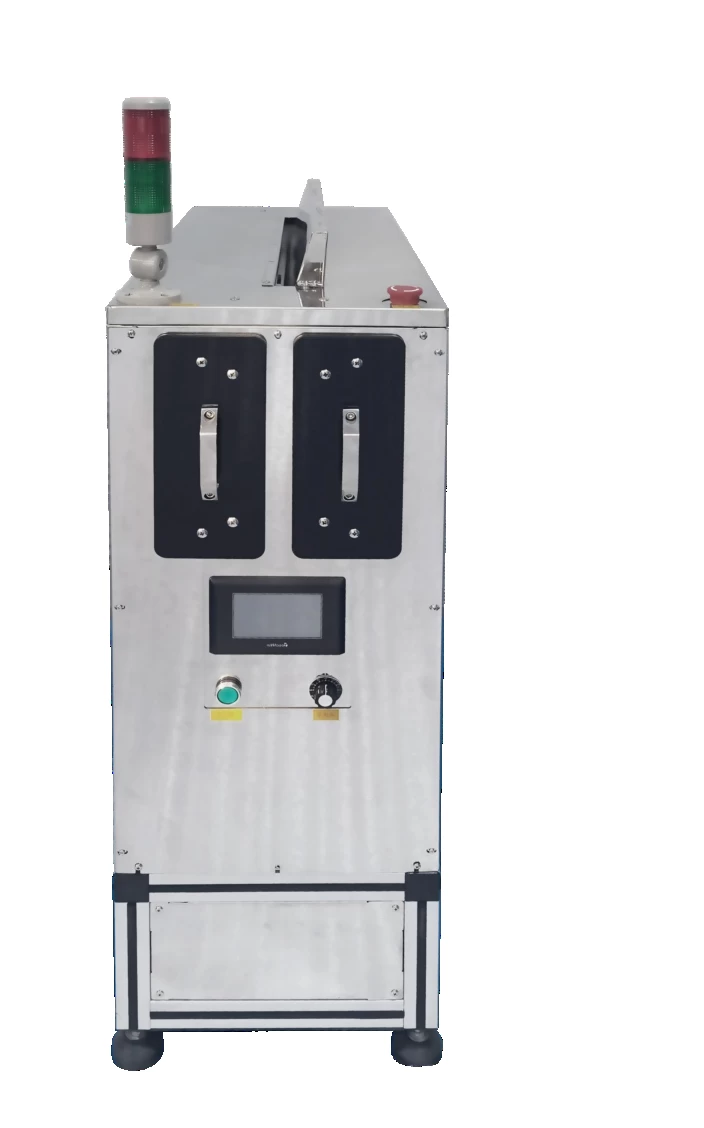
STXS Series — FPC 8-axis advanced precision cleaning machine with magnetic levitation drive, 8-axis multi-stage adhesive roller configuration, and integrated static control for high-precision flexible circuit manufacturing.
8-Axis Multi-Stage Cleaning
8-axis roller configuration delivers significantly improved yield for advanced FPC production.
Magnetic Levitation Drive
Smooth, stable transport designed for ultra-thin flexible substrates.
Integrated Static Control
Effectively prevents static-related quality defects in high-precision FPC lines.
Product Description
The FPC 8-Axis Advanced Cleaning Machine STXS Series is the high-precision advanced configuration for flexible printed circuit cleaning. Featuring an 8-axis multi-stage adhesive roller system with magnetic levitation drive, it delivers superior cleaning performance that significantly improves yield over standard configurations.
The all-new magnetic levitation drive provides smooth, stable transport, which matters most on ultra-thin flexible substrates. The integrated static control system effectively prevents static-related quality defects, and the quick-change window structure makes maintenance fast and simple.
Product Features
- All-new magnetic levitation drive design — smooth, stable operation
- Thin cleaning layer — low contact pressure across flexible circuit substrates
- Special precision adhesive cleaning rollers — high efficiency cleaning, significantly improves yield
- Integrated static control system — effectively prevents static-related quality defects
- Adhesive roller and paper roll with quick-change window structure — easy maintenance
Technical Advantages
8-Axis Performance
Multi-stage roller configuration delivers exceptional cleaning for advanced FPC applications.
Higher Yield
Significantly improved cleaning efficiency reduces contamination-related defects and waste.
Substrate Safe
Magnetic levitation and thin cleaning layer protect ultra-thin flexible materials.
Technical Specifications
| Model | STXS Series |
| Axis Configuration | 8-Axis (high-precision advanced configuration) |
| Application | FPC Advanced Precision Cleaning |
| Drive System | Magnetic Levitation |
| Cleaning Method | 8-axis multi-stage adhesive roller |
| Material Compatibility | FPC, ultra-thin flexible substrates |
| Static Elimination | Integrated static control |
| Maintenance | Quick-change window structure |
| Power Supply | 220V / 50Hz |
Industry Applications
Application Scenarios
High-Volume FPC Production Lines
When FPC manufacturing runs continuously at high speed, the 8-axis multi-stage cleaning system provides the throughput and surface coverage needed to keep pace with production without becoming a bottleneck. Eight cleaning stages in sequence ensure particle removal efficiency that single or 4-axis systems cannot match at high line speeds.
Ultra-Thin and High-Density FPC Cleaning
Advanced FPCs for 5G devices, foldable displays, and miniaturized electronics use substrates thinner than 50 microns where even sub-micron particles cause yield losses. The STXS Series brings 8 cleaning stages and a magnetic levitation transport to substrates this thin. Whether a given stack tolerates that many passes is confirmed on a sample before a production run.
Automotive and High-Reliability FPC Assembly
Automotive-grade FPCs must meet strict cleanliness requirements because field failures are not acceptable. The 8-axis system's multi-stage cleaning architecture provides the documented cleanliness assurance that automotive OEM supply chains require, with thorough surface coverage that supports post-cleaning particle count verification.
When to Choose 8-Axis Over 4-Axis FPC Cleaning
The STXS 8-axis system is the right choice when you need maximum cleaning thoroughness, operate at high production speeds, or work with ultra-thin FPC substrates where a single cleaning pass is insufficient. The 4-axis STXK Series is suitable for standard FPC applications and lower-volume lines where cost-efficiency is the primary consideration. For full-size optical film or display panel cleaning, see our Large Size Optical Film Cleaning Machine.
Frequently Asked Questions
What is the advantage of 8-axis over 4-axis FPC cleaning?
The 8-axis STXS system provides twice the number of cleaning stages, resulting in higher particle removal efficiency and more complete surface coverage. This is critical for high-speed production lines where the substrate has less dwell time at each cleaning stage, and for ultra-thin FPCs where cleanliness requirements are more stringent.
What FPC substrate thicknesses can the STXS Series handle?
The STXS Series is designed for ultra-thin flexible substrates, including FPCs thinner than standard dimensions used in advanced 5G, foldable display, and miniaturized electronics applications. Specific thickness compatibility is confirmed during the application review.
How does magnetic levitation benefit ultra-thin FPC cleaning?
Magnetic levitation is the transport design specified for the drive. Vibration during transport is a real risk for ultra-thin FPCs — it can cause micro-cracks or delamination — which is why the transport design matters, but we publish no vibration measurements for the drive and no micro-crack data at these thicknesses. Qualify the machine on your own substrate through all 8 stages before committing production.
Can the STXS Series meet automotive cleanliness standards?
The 8-axis multi-stage cleaning system provides the cleaning thoroughness required for automotive-grade FPC applications. Contact us with your specific cleanliness specification (particle count, particle size limits) and we will confirm machine performance against your requirement.
Does the machine include static elimination?
Yes. Integrated static control neutralizes electrostatic charge on FPC surfaces simultaneously with multi-stage particle removal, preventing re-contamination between cleaning stages and after the final cleaning pass.
How does the quick-change window structure work?
The quick-change window structure allows adhesive rollers to be accessed and replaced without dismantling the machine enclosure. This design minimizes line downtime during scheduled maintenance and reduces the skill level required for routine roller changes.
Polarizer Precision Cleaning Machine

FPC 4-Axis High Precision Cleaning Machine
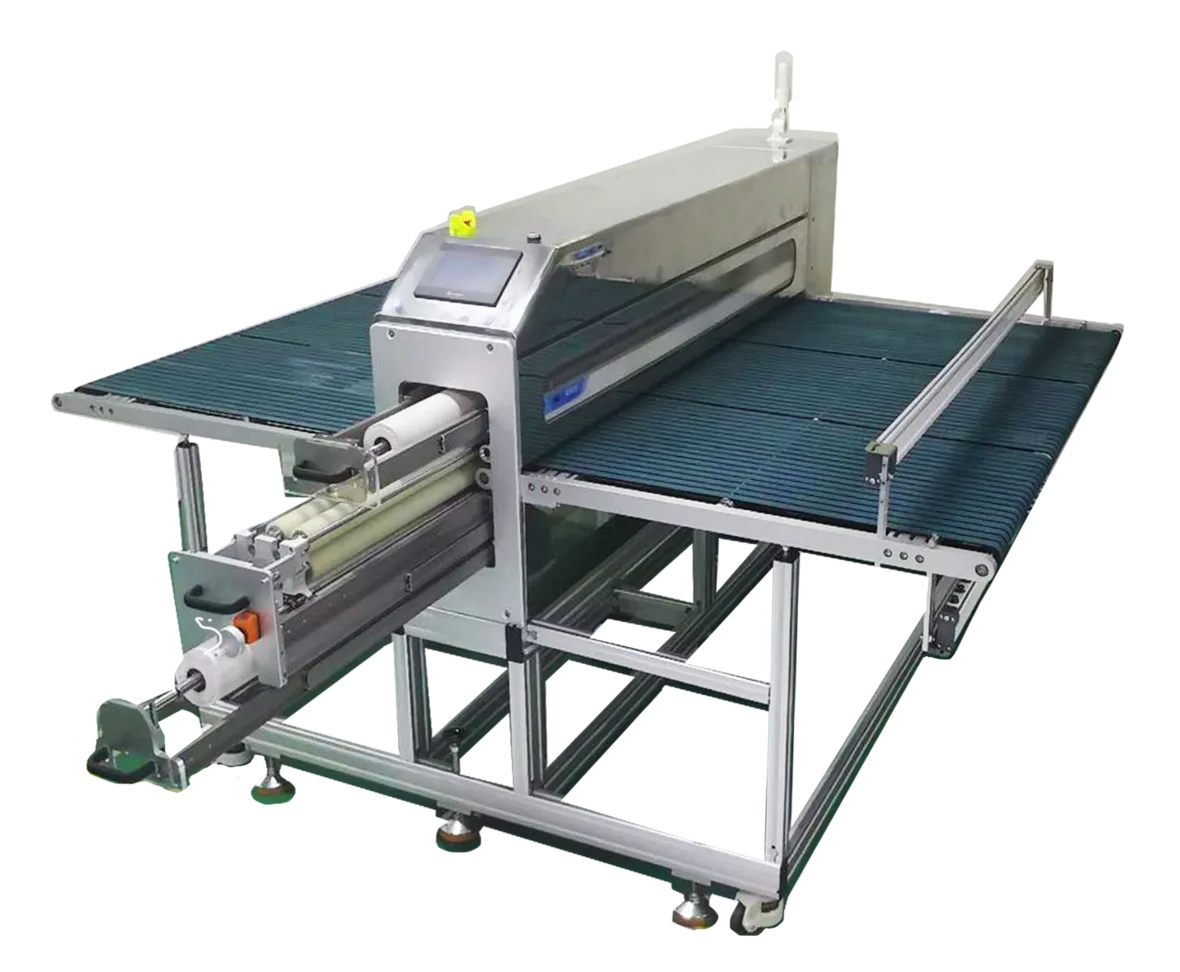
FPC 8-Axis Advanced Cleaning Machine

Large Size Optical Film Cleaning Machine
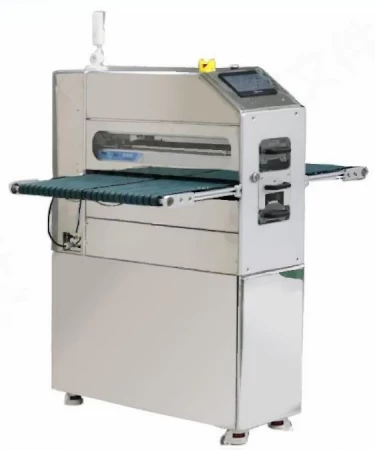
LCM Module Industrial Cleaning Machine
PCB Surface Cleaning Machine
PCB Vertical Cleaning System
Roll Chip Universal Cleaning Machine

SMT Inline Cleaning Machine (SMT600 Series)
Backlight Panel Cleaning Machine
CCL Cleaning Machine ST DT1340