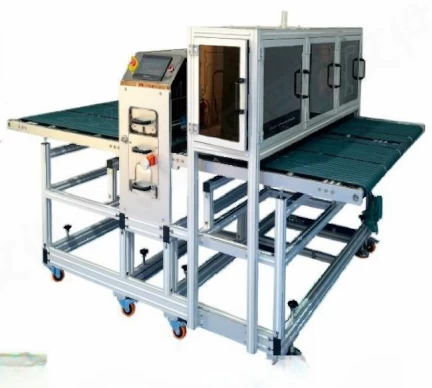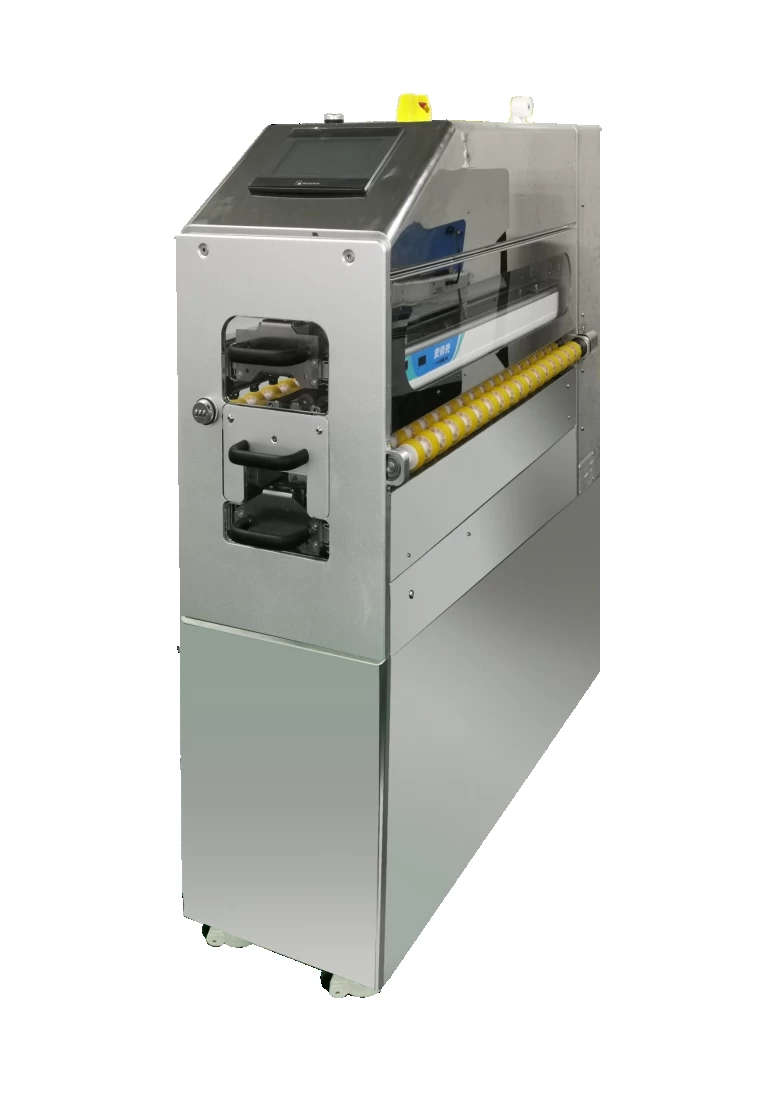
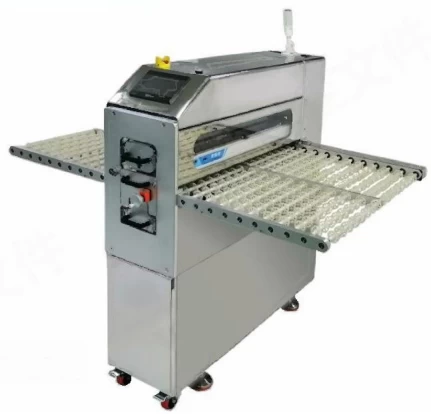
CCL Cleaning Machine ST DT1340
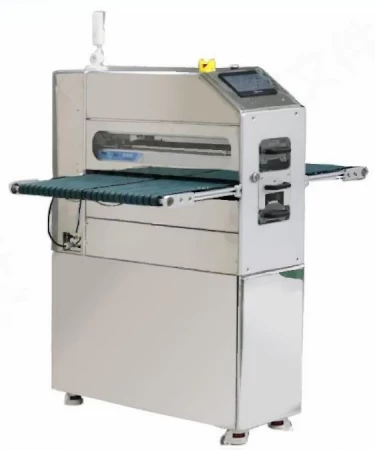
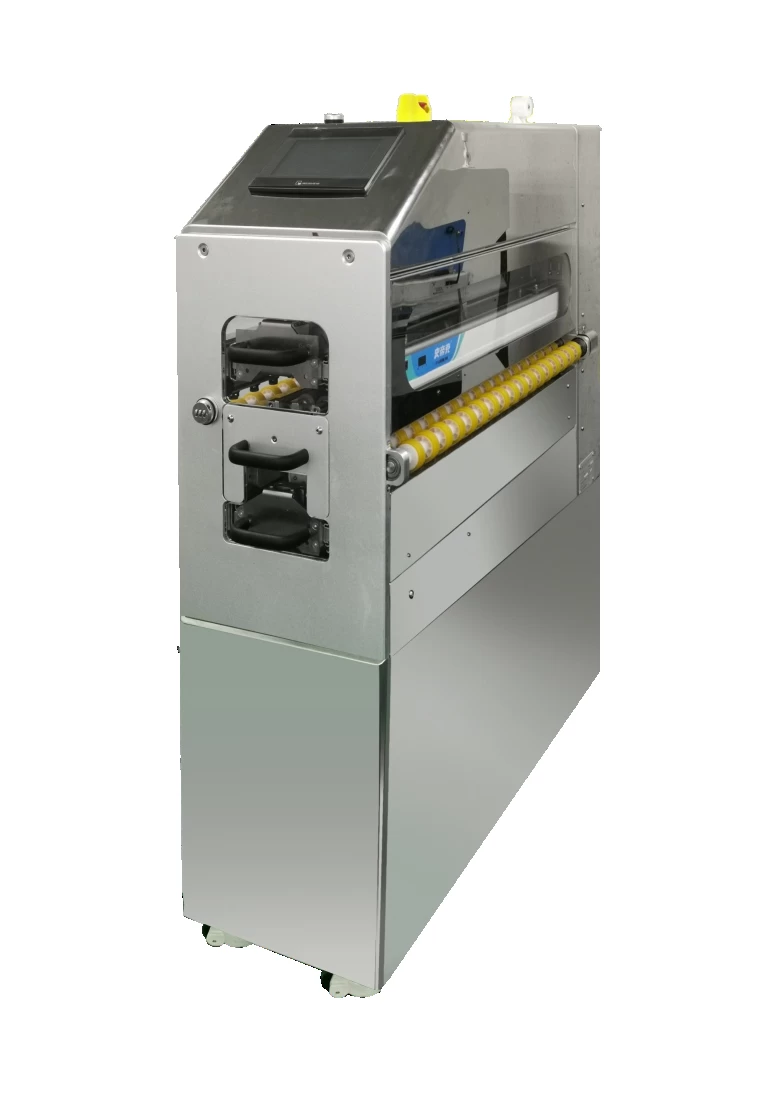
Model ST-DT1340 — CCL surface cleaning machine featuring all-new magnetic levitation drive design, special precision adhesive rollers, and integrated intelligent static elimination for high-yield copper clad laminate processing.
Magnetic Levitation Drive
Magnetic levitation transport, specified for smooth, stable operation.
Precision Adhesive Rollers
Special high-efficiency adhesive rollers improve post-cleaning CCL yield.
Integrated Static Elimination
Intelligent static eliminator rapidly clears surface charge from copper foil materials.
Product Description
The CCL Cleaning Machine ST-DT1340 is developed specifically for copper clad laminate (CCL) surface cleaning applications. Its magnetic levitation drive is designed for smooth, stable transport, and the thin cleaning layer keeps contact pressure low, so handling marks and corner folds are less likely on thin copper foil. How a given foil gauge behaves is confirmed on a sample.
Special precision adhesive cleaning rollers provide high dust removal efficiency, while the integrated intelligent static elimination unit rapidly neutralizes surface charge — together improving post-cleaning CCL yield for PCB manufacturing and electronics production.
Product Features
- All-new magnetic levitation drive design — smooth, stable operation
- Thin cleaning layer material — low contact pressure across thin copper foil
- Special precision adhesive cleaning rollers — high dust removal efficiency, improves post-cleaning CCL yield
- Integrated intelligent static elimination unit — rapidly eliminates surface static from materials
Technical Advantages
Magnetic Levitation
Magnetic levitation transport, specified for gentle, stable material handling.
High Yield
Precision adhesive rollers and static elimination work together to reduce contamination defects.
Low Contact Pressure
Thin cleaning layer design keeps contact pressure low on delicate copper foil.
Technical Specifications
| Model | ST-DT1340 |
| Application | CCL (Copper Clad Laminate) Surface Cleaning |
| Cleaning Width (max) | 1400mm |
| Drive System | Magnetic Levitation |
| Cleaning Method | Adhesive roller + static elimination |
| Material Compatibility | CCL copper foil, thin film materials |
| Control System | Intelligent PLC control |
| Static Elimination | Integrated intelligent static eliminator |
| Power Supply | 220V / 50Hz |
Industry Applications
Application Scenarios
CCL Surface Preparation Before PCB Imaging
Copper clad laminate surfaces must be free of dust and particulate contamination before the photoresist coating and UV imaging steps in PCB manufacturing. Even sub-micron particles on the copper foil surface create pinholes in the resist layer, causing open circuits or shorts in the finished board. The ST-DT1340 lifts dry particles across a 1400mm cleaning width in a single inline pass.
Thin Film CCL for High-Density Interconnect PCBs
HDI and high-frequency PCB substrates use thinner copper foils (sometimes below 12 microns) that are especially vulnerable to contamination-induced defects. The magnetic levitation drive is designed to keep the vibration a geared or belt transport introduces out of the cleaning path. We do not publish measured vibration or micro-crack data at these foil thicknesses, so qualify the machine on your own substrate before committing production.
High-Volume CCL Processing Lines
With intelligent PLC control and a cleaning width up to 1400mm, the ST-DT1340 handles large-format CCL panels at production speeds compatible with continuous PCB manufacturing lines. The quick-change window structure minimizes roller changeover time, keeping the line running with minimal interruption.
Why Clean CCL Before PCB Processing?
CCL is the base material for all printed circuit boards. Contamination on the copper surface at this stage propagates through every subsequent manufacturing step — etching, plating, lamination, and final testing. Catching and removing contamination at the CCL stage is far more cost-effective than discovering defective boards at the end of the production line. The ST-DT1340's combined adhesive roller and static elimination approach removes both physical particles and the electrostatic charge that attracts them.
Frequently Asked Questions
What is CCL and why does it need cleaning?
CCL (Copper Clad Laminate) is the base substrate for printed circuit boards, consisting of a fiberglass or resin core laminated with copper foil. Dust and particles on the copper surface during PCB manufacturing cause photoresist defects, etching errors, and plating voids that lead to electrical failures in the finished board.
What is the maximum cleaning width of the ST-DT1340?
The ST-DT1340 handles CCL panels up to 1400mm in width, making it suitable for large-format PCB manufacturing and high-density multilayer board production.
How does magnetic levitation improve the cleaning process?
Magnetic levitation is the transport design specified for the ST-DT1340, intended to give a quieter, steadier board path than a driven-roller transport. Vibration and drive-borne particles both work against the cleaning step in CCL production, which is why the transport design matters. We do not publish the drive’s internal construction, or measured particle and vibration figures for it; if your process sets a limit, tell us and we will confirm what can be verified.
Can the ST-DT1340 handle very thin copper foil?
Yes. The adhesive roller cleaning method applies controlled, even pressure without impact loads, making it suitable for thin-film CCL materials used in HDI and high-frequency PCB substrates.
Does the machine require chemical solvents?
No. The ST-DT1340 uses dry adhesive roller cleaning combined with integrated static elimination, with no solvents or water. This eliminates chemical handling requirements, drying steps, and the risk of substrate warping from moisture.
Can this machine be integrated with an automated PCB production line?
Yes. The intelligent PLC control system is compatible with standard production line communication protocols. Contact us with your line layout and throughput requirements for integration specifications.
Polarizer Precision Cleaning Machine

FPC 4-Axis High Precision Cleaning Machine
FPC 8-Axis Advanced Cleaning Machine

Large Size Optical Film Cleaning Machine
LCM Module Industrial Cleaning Machine
PCB Surface Cleaning Machine
PCB Vertical Cleaning System
Roll Chip Universal Cleaning Machine

SMT Inline Cleaning Machine (SMT600 Series)
Backlight Panel Cleaning Machine